How to Reduce Sugar Without Giving Up Taste
Is your sweet tooth ruining your health? Learn how to reduce sugar intake naturally while keeping your meals delicious using these science-backed tips and substitutes.
Azeem Iqbal
Nutrition Expert
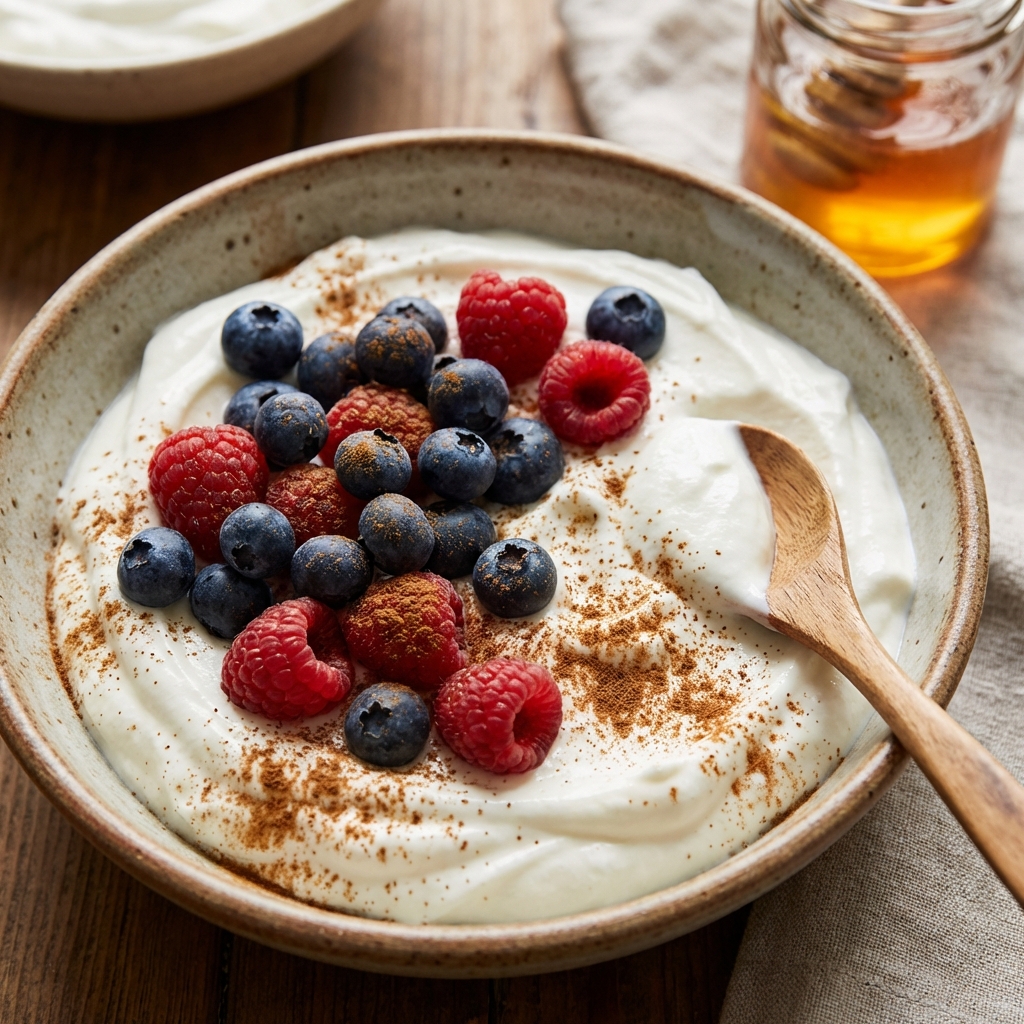
Table of Contents
How to Reduce Sugar Without Giving Up Taste
Sugar is the ninja of the modern diet. It is silent, stealthy, and it’s everywhere. It isn’t just in the obvious places like candy bars and sodas; it is hidden in your whole-wheat bread, your low-fat yogurt, your favorite pasta sauce, and even your “healthy” salad dressing.
The average American now consumes about 17 teaspoons (71 grams) of added sugar every single day. That is more than double the amount recommended by the American Heart Association. This “sugar flood” is a primary driver of the global obesity epidemic, type 2 diabetes, and chronic inflammation. But for most of us, sugar isn’t just a chemical; it’s a comfort. It’s the reward at the end of a hard day or the centerpiece of our celebrations.
The good news? You don’t have to choose between your health and your taste buds. Learning how to reduce sugar intake is not about a lifetime of bland, miserable eating it is about retraining your palate and finding smarter, more natural ways to satisfy your cravings.
In this comprehensive guide, we’ll explore sugar reduction tips that actually work, helping you cut down on sugar while actually increasing your enjoyment of real food.
Master your metabolism: Sugar is a simple carbohydrate that can play havoc with your insulin levels. To truly understand how to fuel your body, dive into our Nutrition Guides where we break down the science of carbohydrates, fiber, and how to maintain stable energy levels all day long.
The Science of the “Sugar Hook”
Why is it so hard to stop at just one cookie? It isn’t a lack of willpower; it’s biology. When you eat sugar, your brain releases a surge of dopamine the “feel-good” neurotransmitter. This reward signal is incredibly powerful, and over time, your brain builds a tolerance, requiring more sugar to get the same hit.
But here is the secret: This process is reversible. Just as your brain adapted to high sugar, it can adapt to lower levels. When you reduce sugar without sacrificing taste, you make the transition easy enough that your brain doesn’t fight back.
1. Exposing the “Hidden Sugar” Hubs
The first step in how to eat less sugar naturally is becoming a detective. About 75% of packaged foods in the US contain added sugar. To cut down on sugar, you have to stop looking at the front of the box (the marketing) and start looking at the back (the truth).
The Alias List
Food manufacturers are clever. They use over 60 different names to hide sugar on ingredients lists. Look out for:
- The ‘-oses’: Sucrose, fructose, maltose, dextrose, lactose.
- The Syrups: High fructose corn syrup, malt syrup, rice syrup, agave nectar.
- The “Natural” Disguises: Evaporated cane juice, fruit juice concentrate, barley malt.
The Savory Trap
Don’t be fooled by foods that aren’t “sweet.” A single tablespoon of barbecue sauce can have more sugar than a chocolate chip cookie. Pasta sauces, salad dressings, and even “protein” breads are often loaded with sugar to improve texture and shelf life. Always opt for versions labeled “No Added Sugar.”
2. Using “Warm Spices” to Trick Your Brain
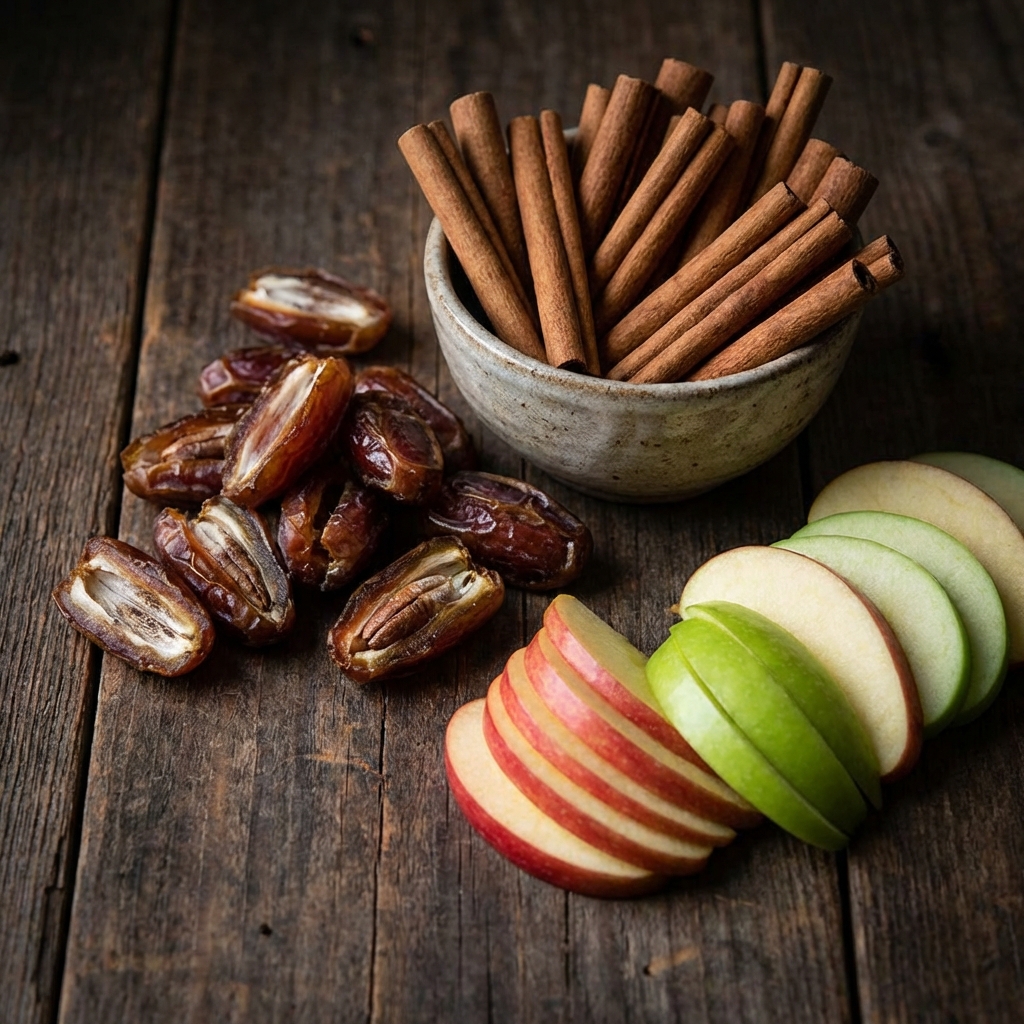
One of the most effective low sugar diet tips involves sensory illusion. Our brains associate certain aromas with sweetness. By using “warm spices,” you can convince your mind that a dish is sweet without adding a single calorie or gram of sugar.
- Cinnamon: The undisputed king of sugar-substitution. A dash of cinnamon in your morning latte or on your oatmeal provides a sweet profile while actually helping to stabilize blood sugar.
- Vanilla Extract: Real vanilla (not the imitation stuff) has a floral, sweet scent that tricks the palate. Add a few drops to plain yogurt, and it suddenly tastes like a premium dessert.
- Nutmeg and Ginger: These add depth and “perceived” sweetness to baked goods and tea.
3. The “Swap, Don’t Stop” Principle
If you try to quit sugar “cold turkey,” you will likely fail. Instead, focus on sugar substitutes that are healthy and whole-food based.
The Fruit Swap
Instead of reaching for fruit-flavored candy, reach for actual berries. Raspberries and blackberries are incredibly low in sugar but high in fiber. The fiber is key because it slows down the absorption of the natural sugars, preventing the “insulin spike and crash” that leads to more cravings.
The Dark Chocolate Rule
If you have a chocolate craving, don’t ignore it upgrade it. Standard milk chocolate is often 50% sugar. Switching to 85% dark chocolate provides the cocoa fix you need with a fraction of the sugar. Plus, the bitterness of dark chocolate naturally signals your brain that the meal is over, making it harder to overeat.
4. Retraining Your Palate in 14 Days
The human tongue is one of the most adaptable organs in the body. If you lived in a world with no processed sugar, a carrot would taste like a dessert. The reason we think carrots are “bland” is that our taste buds have been “burned out” by the extreme sweetness of sodas and candy.
Research shows that it takes about 10 to 14 days of reduced intake for your taste receptors to reset. After this “reset period”:
- Plain almonds will taste sweet.
- A standard soda will taste cloyingly, almost sickeningly, sweet.
- Your energy levels will stop fluctuating wildly, and your “after-noon slump” will disappear.
5. Practical Habits for Sugar Reduction
If you want to know how to stop eating too much sugar, you need to change your environment, not just your mind:
- The “Whole-Fruit” Rule: Never drink fruit juice. When you juice a fruit, you remove all the fiber (the “antidote”) and leave only the sugar. Eat the whole orange; don’t drink the juice.
- Protein for Breakfast: Starting your day with sugar (pantry items, muffins, sweet cereals) sets you up for a day-long roller coaster of cravings. Start with eggs or Greek yogurt to anchor your blood sugar from the start.
- The “Sweetness Cut”: If you usually put two sugars in your coffee, move to one for a week, then half, then zero. Gradual reduction is the best way to ensure the change sticks.
Summary: A New World of Flavor
Learning how to reduce sugar intake is the single most powerful habit change you can implement for your health. It clears your skin, protects your teeth, improves your heart health, and makes weight management feel effortless.
By following these sugar reduction tips, you aren’t “losing” anything. You are gaining back your natural sense of taste. You are discovering the subtle sweetness of a fresh strawberry and the rich complexity of real food that sugar was previously masking.
Ready to take your health to the next level? Explore our comprehensive nutrition guides to learn how to balance your vitamins, minerals, and macros for a life of peak vitality.
? Frequently Asked Questions
How can I reduce sugar intake without losing flavor?
What are the best healthy sugar substitutes?
How long does it take to lose a sweet tooth?
Are zero-sugar sodas healthy?
What is 'hidden sugar' in food?
How do I deal with sugar cravings at night?

About Azeem Iqbal
We are dedicated to providing accurate, easy-to-understand nutritional information for Moe's Southwest Grill fans. Our goal is to help you make informed dining choices without sacrificing flavor.