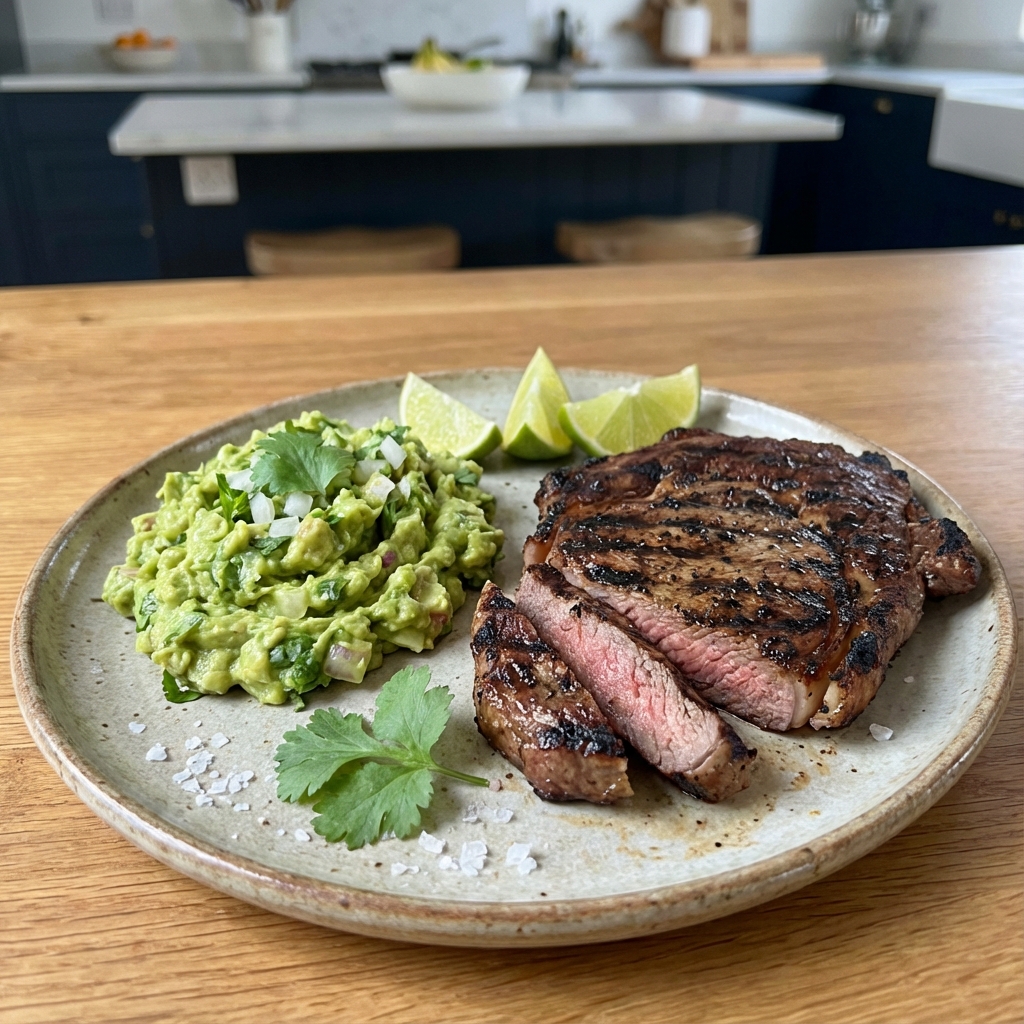
How to Read Nutrition Labels Like a Pro
Don't let packaging fool you. Learn to decode nutrition labels, spot hidden sugars, and understand serving sizes to take control of your diet.
Azeem Iqbal
Nutrition Expert
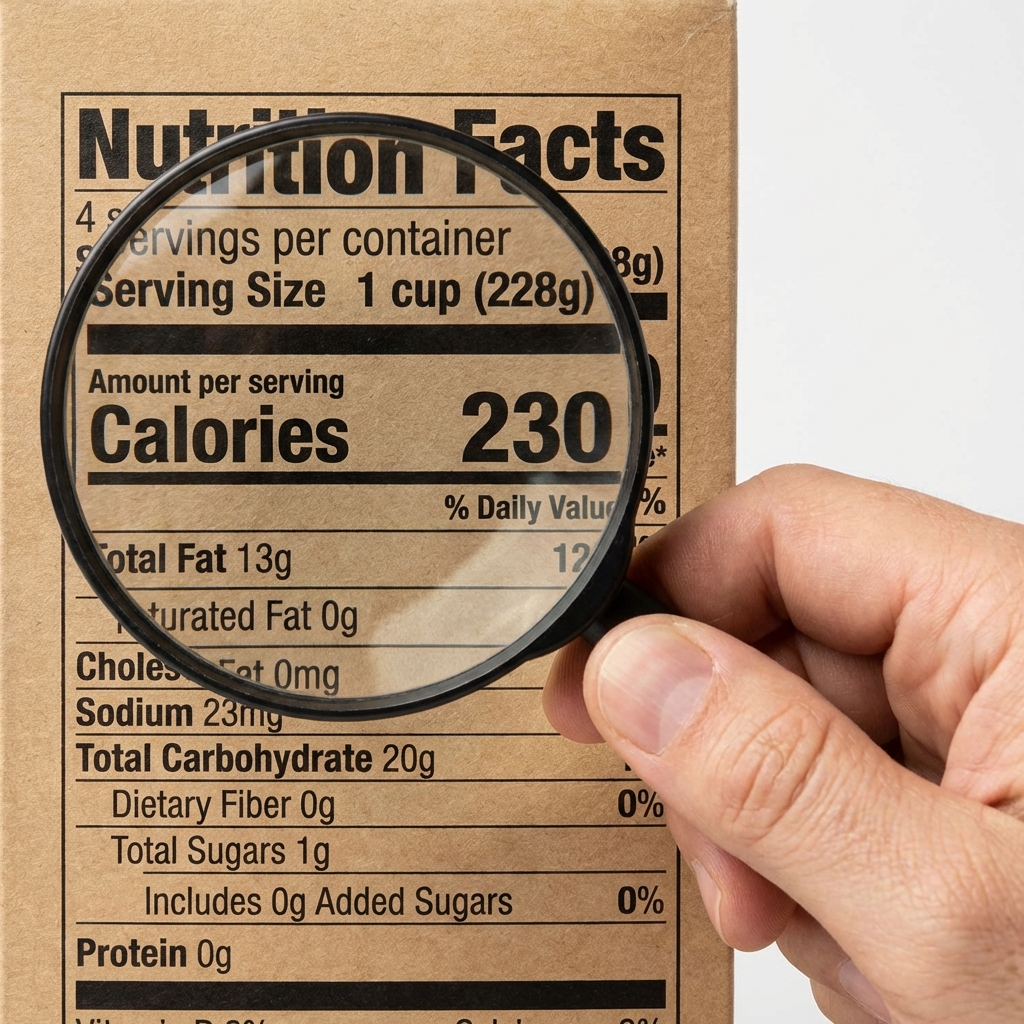
Table of Contents
- How to Read Nutrition Labels Like a Pro
- 1. Start Here: Serving Size (The Biggest Trap)
- 2. Check the Calories: Is It Worth It?
- 3. The Nutrients to Limit (The “Bad” Stuff)
- 4. The Nutrients to Get Enough Of (The “Good” Stuff)
- 5. Carbohydrates: The Truth About Sugar
- 6. The Ingredient List: The Fine Print
- Conclusion
How to Read Nutrition Labels Like a Pro
Walking down a grocery aisle is like walking through a minefield. Every package is screaming at you: “Natural!” “Healthy!” “Low Fat!” “Gluten-Free!”
But flip the box over, and the truth is hidden in a black-and-white box on the back. Health claims on the front of the package are marketing. The Nutrition Facts label is science.
Learning to read this label is the single most important skill for taking control of your health. It stops you from being tricked by big food companies and helps you make choices that actually align with your goals.
In this guide, we will dissect the label from top to bottom and teach you how to read it like a nutritionist.
Want to check restaurant food? Restaurant menus don’t have labels, but we do. Check our Nutrition Database to see exactly what is in your favorite meals.
1. Start Here: Serving Size (The Biggest Trap)
The very first line on the label is the most dangerous one. Serving Size.
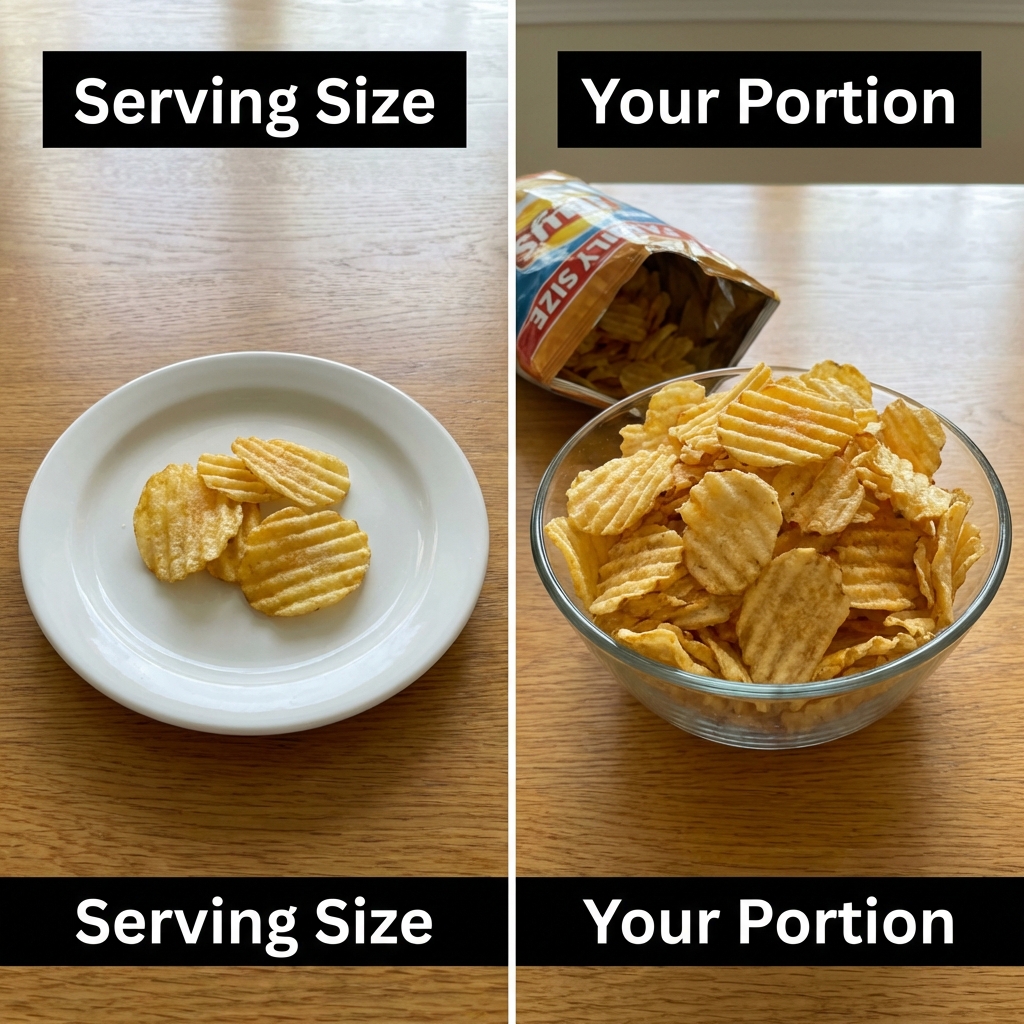
Many people assume a “package” is a “serving.”
- The Trap: You buy a bottle of soda. You drink the whole thing.
- The Label: Says “Servings Per Container: 2.5”.
- The Reality: If the label says 100 calories, you just drank 250 calories.
Manufacturers often manipulate serving sizes to make their product look healthier. A “serving” of chips might be 11 chips. Who eats exactly 11 chips? Pro Tip: Always check “Servings Per Container” first. If you plan to eat the whole bag, do the math.
2. Check the Calories: Is It Worth It?
Once you know the real serving size, look at the Calories. Calories occupy the biggest font on the new FDA labels for a reason. They determine whether you lose or gain weight.
Ask yourself: “Is this food worth these calories?”
- 400 calories for a filling chicken breast sandwich? Yes.
- 400 calories for a tiny “healthy” energy bar? No.
3. The Nutrients to Limit (The “Bad” Stuff)
This section, usually at the top, lists things generally linked to chronic disease when overconsumed.
Saturated Fat
While not as demonized as it used to be, the American Heart Association still recommends limiting this.
- Goal: Look for lower numbers here, especially if you have high cholesterol.
Trans Fat
The Danger Zone. If this number is anything above 0g, put it back. Trans fats are artificial fats linked to heart disease.
- Warning: If a product has less than 0.5g per serving, the law allows them to round down to 0g. Check the ingredient list for “Partially Hydrogenated Oil” to be sure.
Sodium
Salt adds flavor and preserves food, so processed foods are loaded with it.
- The 5-20 Rule: If the %DV is 5% or less, it’s low. If it’s 20% or more, it’s high.
- Most frozen meals have 50%+ of your daily sodium in one box.
4. The Nutrients to Get Enough Of (The “Good” Stuff)
Dietary Fiber
This is the magic number. Fiber keeps you full, regulates blood sugar, and aids digestion.
- Goal: Aim for foods with at least 3g of fiber per serving.
- Fun Fact: If a carb has high fiber, you can subtract it to get “Net Carbs.”
Protein
The building block of muscle and satiety. High protein snacks (10g+) will keep you from getting hungry an hour later.
Vitamins & Minerals
Look for Vitamin D, Calcium, Iron, and Potassium. Most Americans are deficient in these.
5. Carbohydrates: The Truth About Sugar
This section confuses everyone. It usually lists:
- Total Carbohydrates
- Dietary Fiber
- Total Sugars
- Includes Xg Added Sugars
The “Added Sugar” Revolution
The FDA now requires companies to list Added Sugars separately. This is a game changer.
- Total Sugars: Includes the natural sugar in an apple or milk (Lactose/Fructose). These are fine.
- Added Sugars: This is high fructose corn syrup or cane sugar dumped into the product.
Goal: Keep Added Sugars as close to 0g as possible. The American Heart Association suggests men limit added sugar to 36g/day and women to 25g/day. One can of soda (39g) blows this budget instantly.
6. The Ingredient List: The Fine Print
The Nutrition Facts table gives you the numbers, but the Ingredient List tells you the quality.
Comparison Rule
Ingredients are listed by weight, from most to least.
- Product A: Whole Wheat Flour, Water, Honey…
- Product B: Enriched Bleached Flour, Sugar, Corn Syrup… Product A is food. Product B is dessert masquerading as bread.
The “Frankenfood” Test
If the ingredient list is a paragraph long and contains words you need a chemistry degree to pronounce (Azodicarbonamide, BHT, Red 40), it is likely highly processed. Real food has short ingredient lists.
- Example: Peanut Butter ingredients should be: Peanuts, Salt. (Maybe oil).
- Bad Example: Peanuts, Sugar, Molasses, Fully Hydrogenated Vegetable Oils, Mono and Diglycerides.
Spotting Hidden Sugars
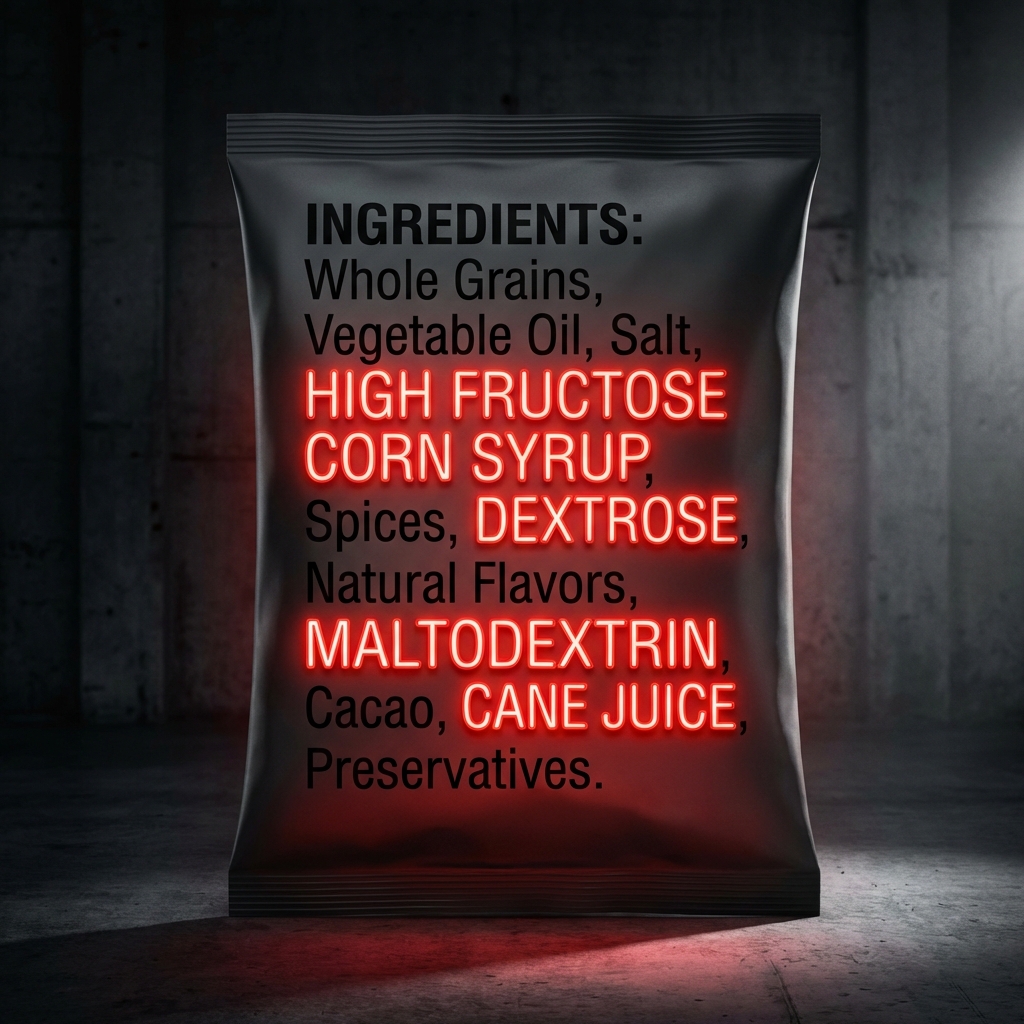
Companies are smart. They know you are looking for the word “Sugar,” so they use synonyms to break it up. If they used just “Sugar,” it would be the first ingredient. By using 3 different types, they can push them further down the list. Look out for:
- High Fructose Corn Syrup
- Dextrose / Sucrose / Maltose
- Rice Syrup
- Barley Malt
- Cane Juice Crystals
- Fruit Juice Concentrate
Conclusion
Reading nutrition labels is a superpower. It allows you to see past the flashy marketing and understand what you are actually putting into your body.
The next time you are shopping:
- Ignore the front of the box.
- Check the Serving Size.
- Hunt for Added Sugars.
- Scan the Ingredients for real food.
Your body will thank you.
Done shopping and ready to cook? Use our Nutrition Database to look up the nutrition of fresh ingredients that don’t come with a label!
? Frequently Asked Questions
What is the 5-20 rule for nutrition labels?
Are 'Total Sugars' the same as 'Added Sugars'?
Why is the serving size so small?
Do I need to worry about Percent Daily Value (%DV)?
What are 'hidden sugars'?
Are ingredients listed in order?

About Azeem Iqbal
We are dedicated to providing accurate, easy-to-understand nutritional information for Moe's Southwest Grill fans. Our goal is to help you make informed dining choices without sacrificing flavor.