How Much Protein Do You Really Need for Muscle Growth?
Stop guessing your protein intake. We break down the science of how much protein you actually need to build muscle based on your weight and goals.
Azeem Iqbal
Nutrition Expert
How Much Protein Do You Really Need for Muscle Growth?
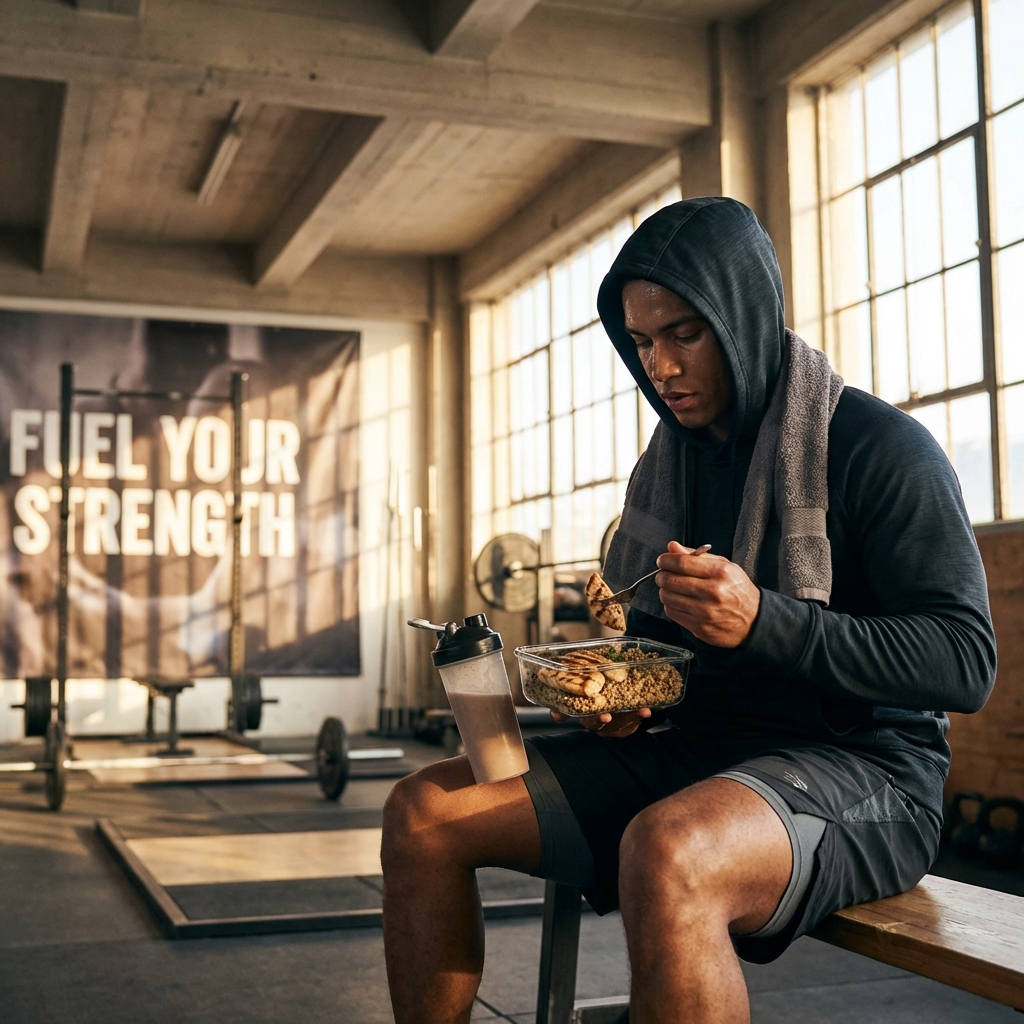
Walk into any gym, and you will hear “Bro Science” about protein. “You need 2 grams per pound!” “You have to drink a shake within 30 minutes or your workout is wasted!”
Protein is the most important nutrient for building muscle, but it is also the most misunderstood. If you eat too little, your hard work in the gym goes to waste. If you eat too much, you are just expensive calories.
So, what does the actual science say? In this guide, we will cut through the noise and give you the exact numbers you need to maximize your gains.
Skip the math: Want your number instantly? Use our free Protein Calculator to get your exact daily target based on your body weight and activity level.
Why Protein Matters (The Science)
When you lift weights, you aren’t building muscle. You are breaking it. Resistance training creates microscopic tears in your muscle fibers. This is the stimulus. Protein is the repair. Your body breaks down the protein you eat into amino acids. It uses these amino acids like bricks to patch the holes in your muscle fibers, making them thicker and stronger than before. This process is called Muscle Protein Synthesis (MPS).
No Protein = No Repair = No Growth.
The Golden Number: How Much Per Day?
For years, the bodybuilding standard was “1 gram per pound of body weight.” Turns out, the bros were pretty close.
according to a comprehensive meta-analysis (a study of studies) published in the British Journal of Sports Medicine, the optimal range for muscle growth is:
0.7 to 1.0 grams per pound of body weight.
(Or 1.6 to 2.2 grams per kg).
Let’s break that down:
- The Minimum (0.7g/lb): This is enough for most people to build muscle efficiently.
- The Optimal (0.8-1g/lb): This ensures you are maxing out your potential. If you are cutting calories (dieting), aiming for the higher end helps protect your muscle mass.
- The Excess (>1g/lb): There is very little evidence that eating more than 1g per pound provides any extra benefit. Your body likely just burns it for energy.
Example:
If you weigh 180 lbs:
- Minimum: 126g protein.
- Optimal: 144g - 180g protein.
Does Protein Quality Matter?
Yes. Not all protein is created equal. Proteins are made of Amino Acids. There are 9 “Essential Amino Acids” (EAAs) that your body cannot make; you must get them from food. Of these, Leucine is the most critical trigger for muscle growth.
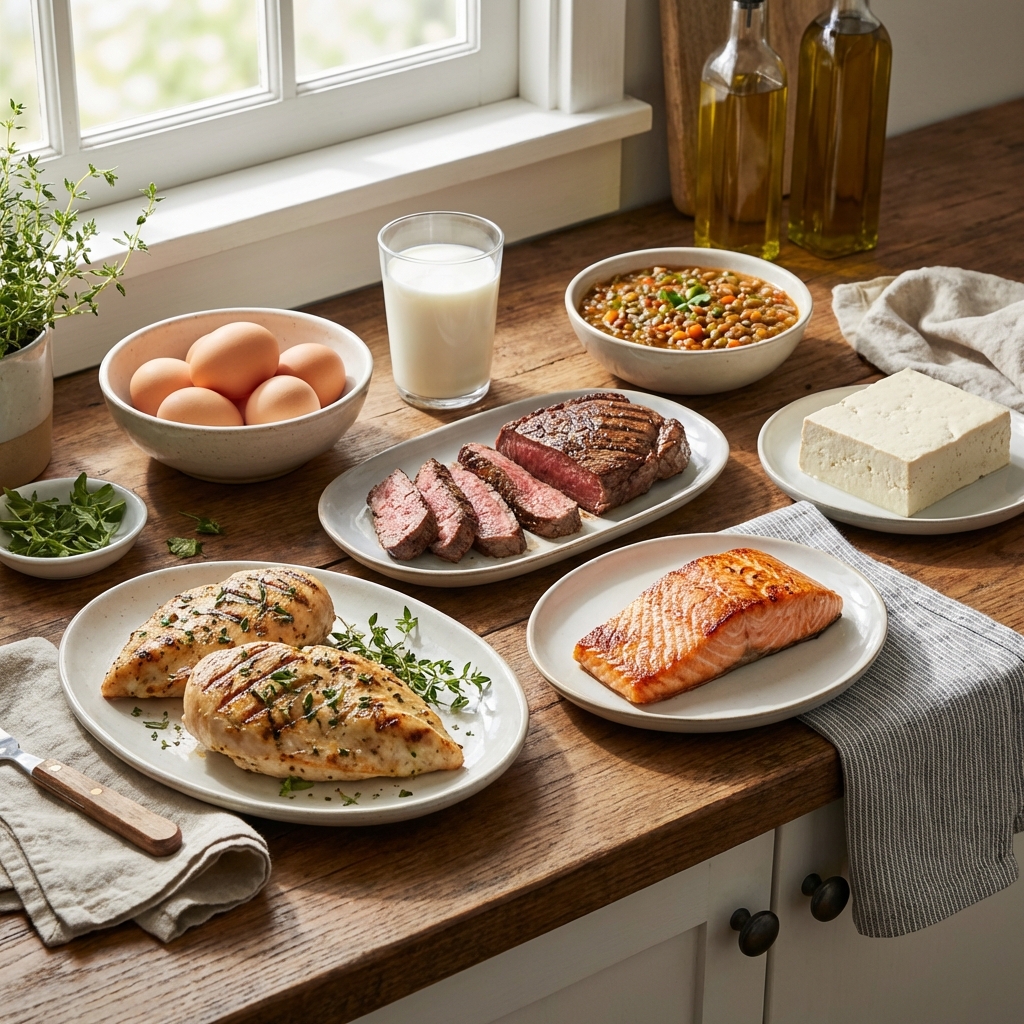
- Animal Sources (Complete): Meat, fish, eggs, dairy, whey. These contain all 9 amino acids in high amounts.
- Plant Sources (Often Incomplete): Beans, rice, nuts. Often lower in Leucine.
- Fix: Vegans should eat a variety of sources (e.g., Rice + Beans) or supplement with a high-quality vegan protein powder to ensure they get enough Leucine.
What About Timing? (The “Anabolic Window”)
You used to hear that you had to chug a protein shake within 30 minutes of your last set, or your muscles would fall off. This is a myth. The “Anabolic Window” for repair lasts 24-48 hours after a workout.
- Priority #1: Total Daily Protein (Did you hit your 180g total?)
- Priority #2: Distribution (Are you spreading it out?)
It is better to eat 30-40g of protein every 3-5 hours than to eat 150g in one giant meal. Spreading it out keeps Muscle Protein Synthesis elevated throughout the day.
How to Hit Your Protein Goals (Sample Day)
Hitting 160g+ can feel difficult if you aren’t used to it. Here is how a high-protein day looks:
- Breakfast: 3 Eggs + Greek Yogurt (35g)
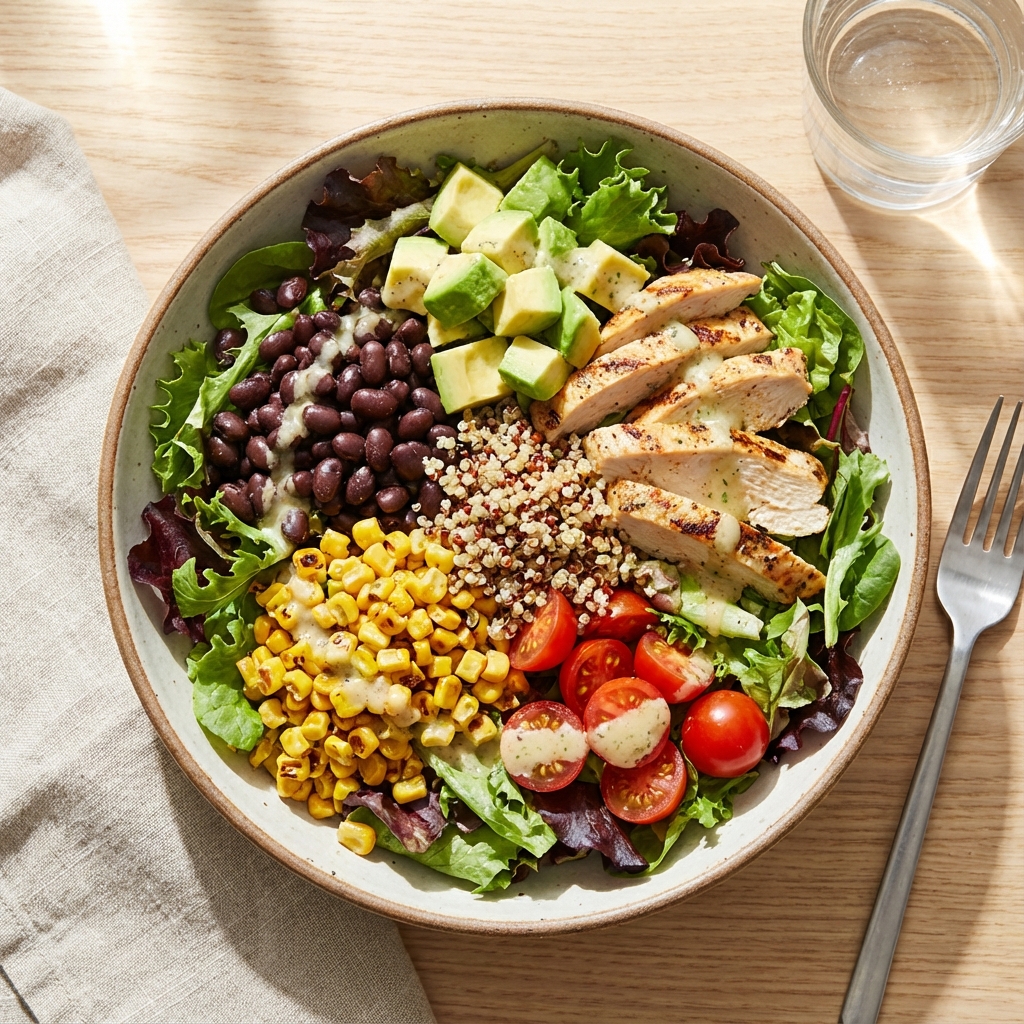
- Lunch: Chicken Breast Salad (40g)
- Snack: Protein Shake or Bar (25g)
- Dinner: Salmon or Steak with veggies (40g)
- Late Snack: Cottage Cheese (20g)
- Total: ~160g
Summary
Building muscle is simple, but it requires consistency.
- Lift Heavy: Create the stimulus.
- Eat Enough Protein: 0.7g - 1g per pound.
- Recover: Sleep and repeat.
Stop stressing about the minute details and focus on hitting your daily number every single day.
Ready to grow? Click here to use our Protein Calculator and find out exactly how much you need to eat to build your dream physique.
? Frequently Asked Questions
How much protein do I need to build muscle?
Can I eat too much protein?
Do I need protein immediately after a workout?
Is plant protein as good as animal protein?
Does eating more protein burn fat?
What happens if I don't eat enough protein?

About Azeem Iqbal
We are dedicated to providing accurate, easy-to-understand nutritional information for Moe's Southwest Grill fans. Our goal is to help you make informed dining choices without sacrificing flavor.