Healthy Eating on a Budget (US Grocery Guide)
Think healthy food is too expensive? This guide proves you can eat nutritious, whole foods for less than the cost of fast food with our US grocery budget guide.
Azeem Iqbal
Nutrition Expert
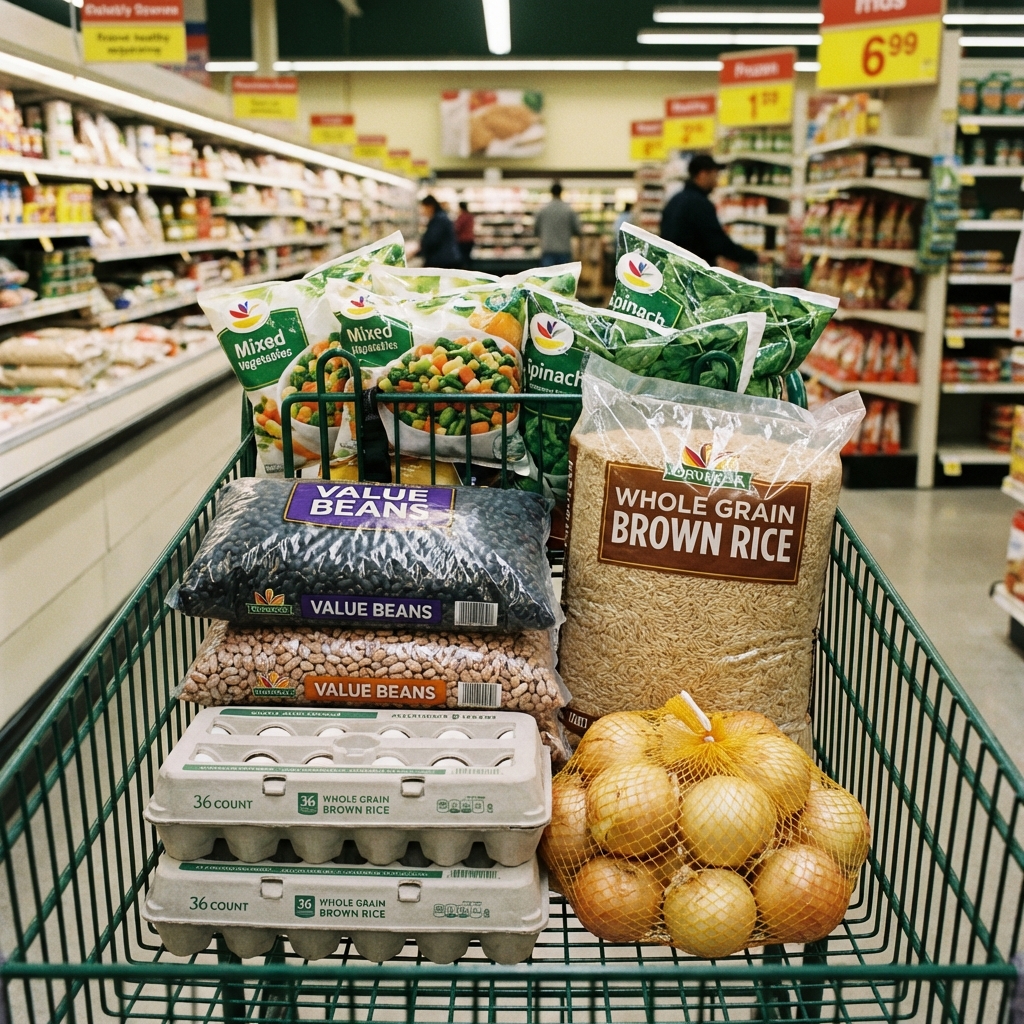
Table of Contents
- Healthy Eating on a Budget (US Grocery Guide)
- The “Dirty Secret” of the American Supermarket
- 1. The Power of “Alternative” Proteins
- 2. Frozen vs. Fresh: Navigating the Produce Aisle
- 3. Carbohydrates: Bulk Buying the Foundation
- 4. The “US Grocery Guide” Shopping Strategy
- 5. Eating Healthy Without Spending Much (Practical Lifestyle Tips)
- Summary: Designing Your Affordable Kitchen
Healthy Eating on a Budget (US Grocery Guide)
There is a powerful myth in America today: that eating healthy is a luxury reserved for the upper class. We see images of $15 “superfood” smoothies and organic avocados in boutique markets, and it’s easy to conclude that a nutritious lifestyle is out of reach for a normal budget.
But here is the truth: The core of a healthy diet whole grains, legumes, seasonal vegetables, and simple proteins is actually the cheapest food in the supermarket.
In fact, the most “expensive” foods are often the highly processed ones. When you buy a box of sugary cereal or a bag of frozen “breakfast sandwiches,” you aren’t paying for nutrition; you’re paying for marketing, packaging, and the convenience of having someone else do the cooking.
In this comprehensive guide, we’ll show you exactly how to master healthy eating on a budget in the United States. We will break down the cheap healthy foods you should stock up on and how to build a healthy grocery list on a budget that sustains your body without draining your bank account.
Know your numbers: Before you shop, it helps to understand which foods provide the best “nutritional density” for their price. Browse our Nutrition Database to search for thousands of common US grocery items and see exactly what you’re getting for every dollar spent.
The “Dirty Secret” of the American Supermarket
The average US supermarket is a nutritional minefield. The middle aisles are specifically designed to drain your wallet via high-margin, shelf-stable processed goods. Pre-packaged “keto” snacks, organic protein bars, and flavored electrolyte waters carry massive markups because they appeal to “health-conscious” shoppers with little time.
The real savings and the best health outcomes are found at the foundations. These are foods that have a long shelf life and can be used in dozens of different recipes. By shifting your focus from “packages” to “ingredients,” you can cut your grocery bill by 40% or more.
1. The Power of “Alternative” Proteins
Meat is consistently the most expensive part of a US grocery bill. If you’re eating a standard American diet with meat at every meal, your budget will always be under pressure. To achieve truly affordable healthy eating, you need to look beyond the steak and chicken breast.
Dried Beans and Lentils: The Budget Kings
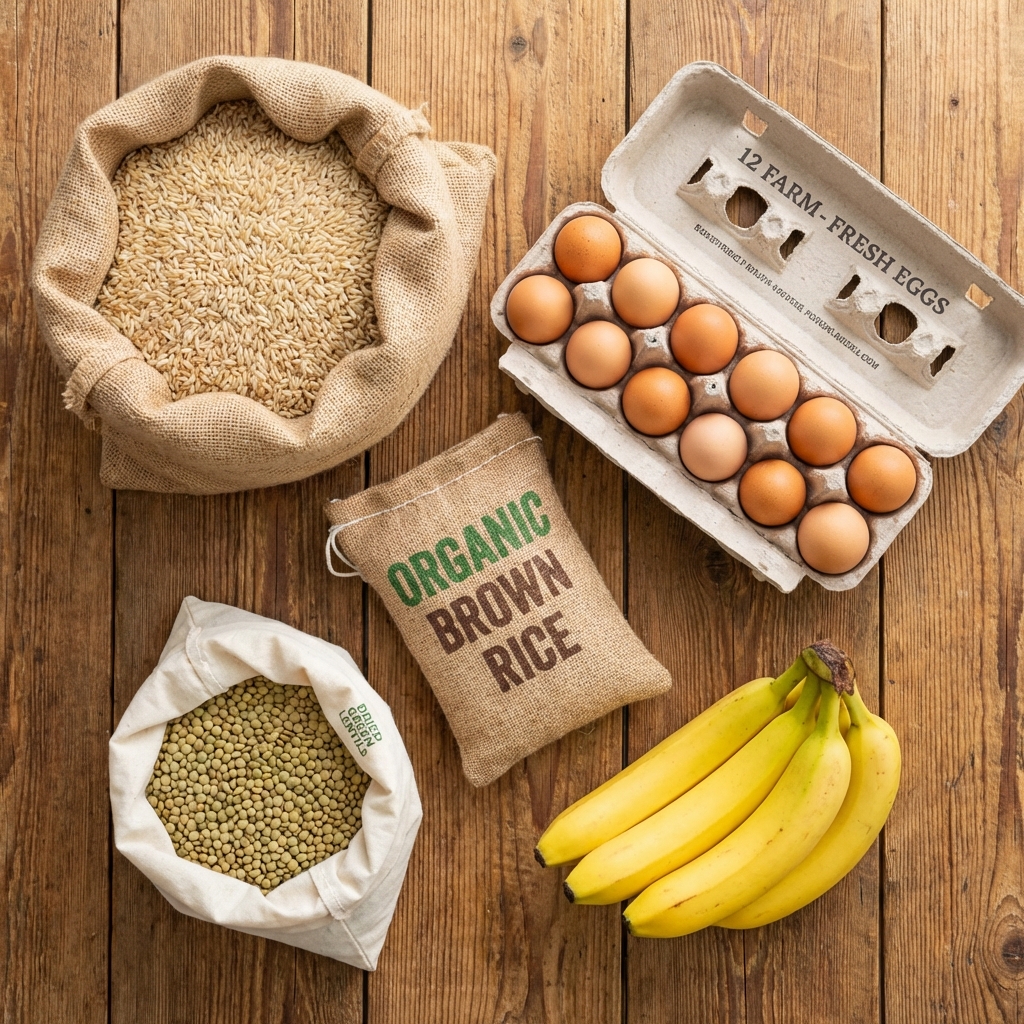
A 1lb bag of dried black beans or lentils costs approximately $1.50 and provide between 10 to 12 servings of high-protein, high-fiber fuel. Compare that to a $10 pound of ground beef that yields only 4 servings. Beans are shelf-stable, easy to cook in a slow cooker, and can be transformed into tacos, chilis, soups, or even meatless burgers.
Eggs: The Nutrition Multi-Tool
Even with recent price fluctuations, eggs remain one of the most affordable sources of high-quality protein and healthy fats. They contain almost every vitamin and mineral the human body needs. Whether they are boiled for a snack, scrambled for breakfast, or added to a vegetable stir-fry for dinner, eggs are a budget essential.
Canned Tuna and Salmon
Canned fish is an excellent way to get heart-healthy Omega-3 fatty acids into your diet without paying $20 per pound at the fish counter. Look for tuna in water and low-mercury options to keep it as healthy as possible.
2. Frozen vs. Fresh: Navigating the Produce Aisle
When it comes to building budget healthy meals, the freezer section is your secret weapon. Beginners often think “fresh is best,” but the reality is more complex.
Fresh produce has a short shelf life. If you buy a bag of fresh kale and throw half of it away because it wilted before you could eat it, you’ve just effectively doubled your price per serving. Frozen vegetables don’t rot. They are picked at peak ripeness and “flash-frozen,” which often locks in more nutrients than “fresh” produce that has spent 10 days in a shipping container.
The Strategy:
- Buy Frozen: For items you cook (spinach, peas, cauliflower, mixed stir-fry blends).
- Buy Fresh: Only for seasonal items or things you eat raw (cucumbers, tomatoes in summer).
- The “Heavy Lifters”: Always keep Bananas, Cabbage, and Carrots in your cart. These are consistently the cheapest fresh healthy foods in the US, regardless of the season.
3. Carbohydrates: Bulk Buying the Foundation
To master budget grocery shopping healthy, you must avoid the “instant” versions of carbohydrates. Those microwaveable “90-second rice bags” cost 5 to 7 times more than the raw product.
- The Oatmeal Empire: A large tub of old-fashioned rolled oats provides 30+ breakfasts for about $4. Compare that to a $5 box of cereal that only lasts 4 days and is loaded with sugar.
- Bulk Grains: Buy the 5lb or 10lb bag of brown rice or quinoa. It won’t go bad, and it serves as the base for almost every meal on a balanced weekly meal plan.
- The Humble Potato: Russet and sweet potatoes are highly “satiating” meaning they keep you full longer than almost any other food. They are versatile, nutrient-dense, and dirt cheap when bought in 5lb or 10lb bags.
4. The “US Grocery Guide” Shopping Strategy
Successful low cost nutritious foods shopping requires a change in mindset. Follow these four rules on every trip:
- Shop the “Loss Leaders”: Look at the front page of your store’s weekly ad. Stores often sell one type of fruit (like strawberries) or one cut of meat at a loss just to get you into the building. Buy that item and build your meals around it.
- The “Unit Price” Rule: Stop looking at the big price tag. Look at the tiny “Price Per Ounce” or “Price Per Unit” on the shelf label. Often, the larger bag is cheaper, but sometimes the store brand is so much cheaper per unit that the smaller size actually wins.
- Generic is Your Friend: Store brands (e.g., Great Value, 365, Kirkland) are often produced in the exact same factories as the name brands. For staples like salt, flour, dry beans, and oats, there is zero nutritional difference only a price difference.
- Avoid the “Eye-Level” Traps: Supermarkets place the most expensive, high-profit margin items at eye level. Look at the very bottom shelf and the very top shelf for the bulk items and better deals.
5. Eating Healthy Without Spending Much (Practical Lifestyle Tips)
Beyond the grocery store, how you manage your kitchen determines your budget success:
- The “No-Waste” Soup: On Friday night, take every leftover vegetable in your fridge the half onion, the limp celery, the last few carrots and throw them into a pot with some beans and broth. This “fridge-clearing soup” turns potential trash into 4 servings of healthy lunch.
- Water is the Ultimate Budget Hack: Stop buying soda, energy drinks, and juices. These provide zero satiety and are loaded with empty calories. Switching to plain tap water can save a family of four $100 or more per month.
- Understand ‘Use By’ vs. ‘Best By’: In the US, most dates are for “quality,” not “safety.” Don’t throw away eggs or yogurt just because they are one day past the ‘Best By’ date. Use your senses; if it looks and smells fine, it usually is.
Summary: Designing Your Affordable Kitchen
Healthy eating on a budget is about designing a system that works for your life. It means accepting that a meal doesn’t need to be “fancy” to be nutritious. A bowl of brown rice with a fried egg and steamed frozen broccoli provides everything your body needs to thrive for less than the cost of a single taco at a fast-food drive-thru.
Start by replacing just one expensive pre-packaged snack with a whole-food alternative. Once you see the savings on your receipt and the improvement in your energy levels, you’ll never look back.
Want to see how your budget staples stack up? Check the calories and macros of common foods in our database to ensure your budget meals are hitting your muscle-building and fat-loss targets.
? Frequently Asked Questions
What are the cheapest healthy foods in the US?
Is frozen food healthy?
How can I save money on protein?
Should I buy organic if I am on a budget?
How do grocery apps help with budget healthy eating?
Is it cheaper to eat healthy or fast food?

About Azeem Iqbal
We are dedicated to providing accurate, easy-to-understand nutritional information for Moe's Southwest Grill fans. Our goal is to help you make informed dining choices without sacrificing flavor.