10 Simple Habits for a Healthier Diet
Transform your health without dieting. Discover 10 simple healthy eating habits that are easy to start, sustainable for life, and scientifically proven.
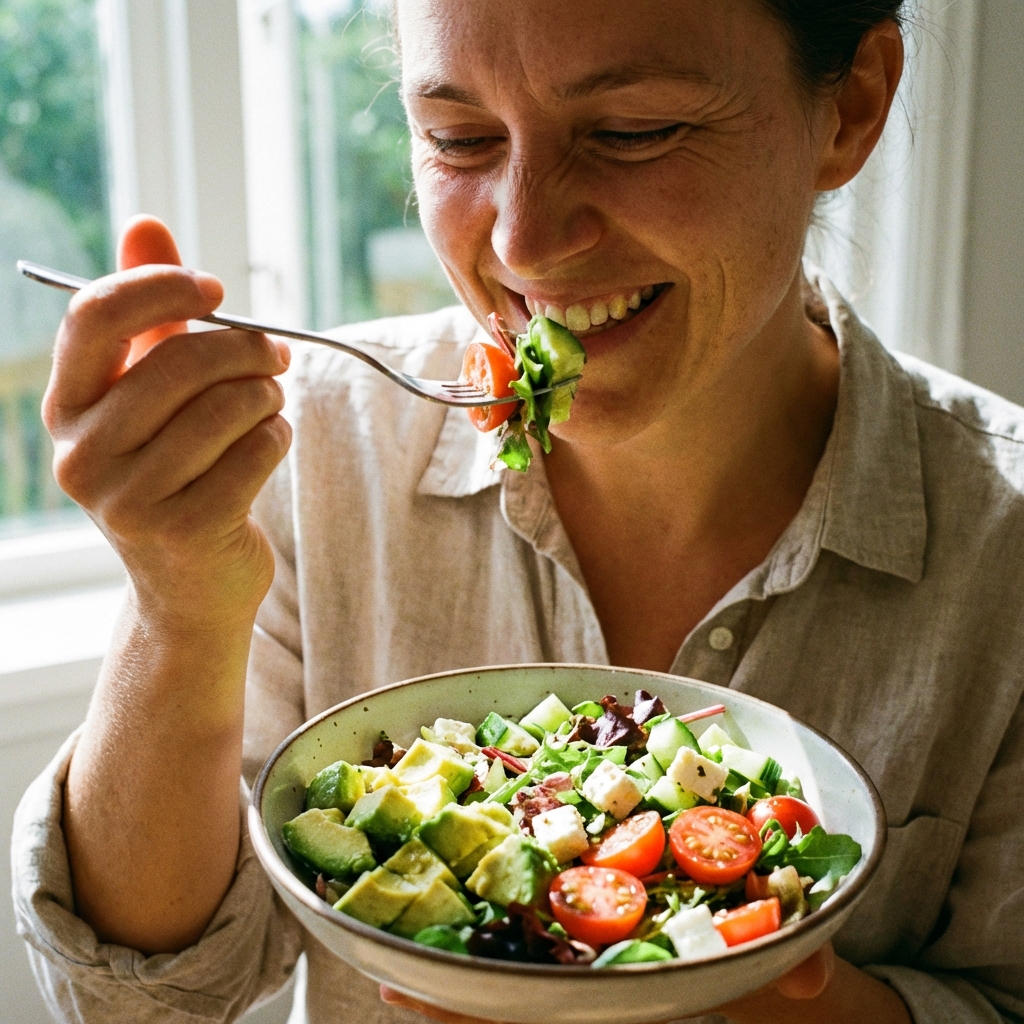
Azeem Iqbal
Nutrition Expert
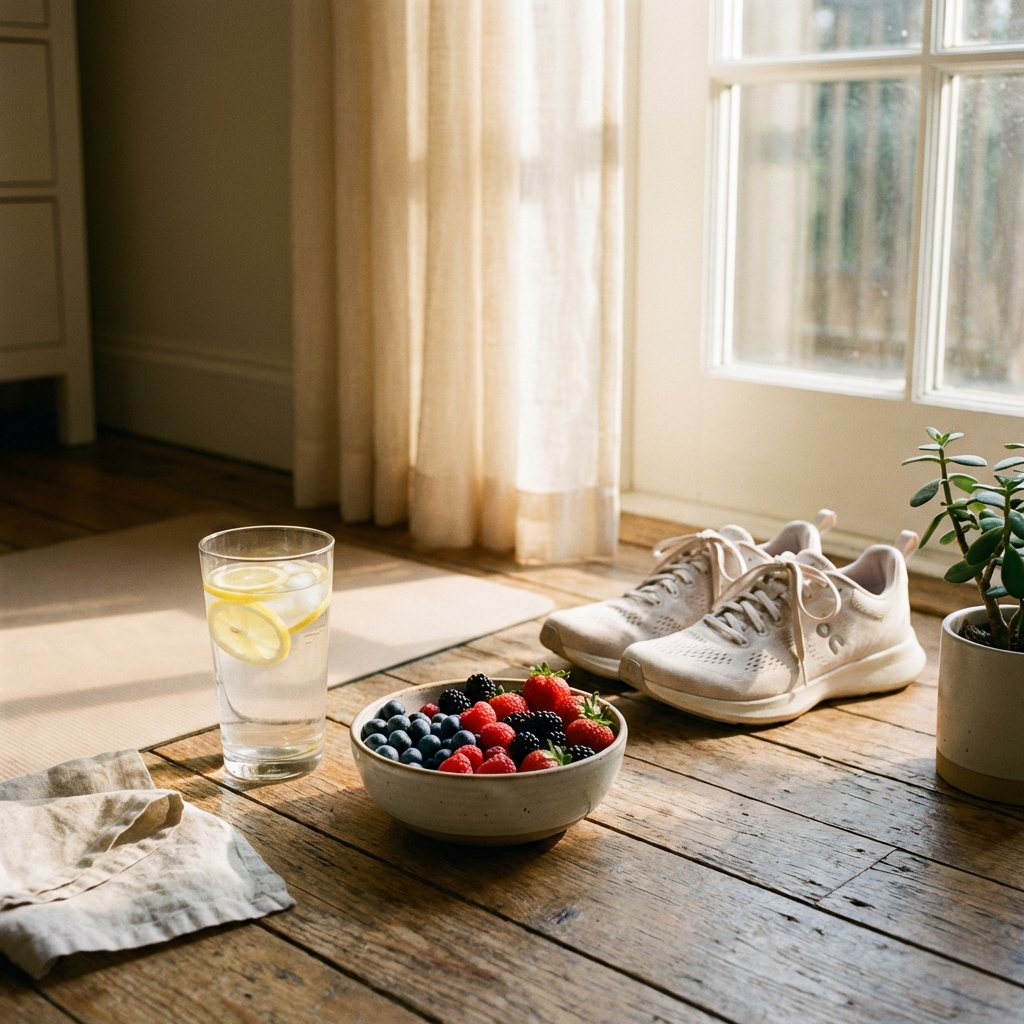
Table of Contents
- 10 Simple Habits for a Healthier Diet
- 1. Drink a “Pre-Game” Glass of Water
- 2. “Eat the Rainbow” Every Day
- 3. Protein at Breakfast
- 4. Practice Mindful Eating (No Screens)
- 5. The 80/20 Rule
- 6. Cook More, Order Less
- 7. Read the Label (The “First Three” Rule)
- 8. Snack Smart, Not Hard
- 9. Plan Your “Emergency” Meal
- 10. Prioritize Sleep
- Summary: Small Changes, Compound Interest
10 Simple Habits for a Healthier Diet
We’ve all seen the extreme diets online. The ones that tell you to cut out all carbs, drink only celery juice, or eat within a 4-hour window. While these might offer quick results, they rarely last. The moment life gets stressful, the strict rules crumble, and you’re back to square one.
True health isn’t built on a 30-day challenge; it’s built on what you do every single day. It’s about healthy eating habits that are so simple, you can stick to them for the rest of your life.
In this guide, we are focusing on simple healthy diet habits that require zero calorie counting and zero deprivation. These are the small hinges that swing big doors.
Need specific tools? These habits work best when paired with knowledge. Check our Nutrition Database to learn what you’re eating, our Diet Plans for structure, and our Nutrition Guides for the science behind the food.
1. Drink a “Pre-Game” Glass of Water
Most of us walk around mildly dehydrated. The brain often confuses thirst signals for hunger, leading us to snack when we really just need water.
The Habit: Drink one large glass of water 15 minutes before every main meal. The Benefit: It hydrates your cells for digestion and naturally fills your stomach, helping you feel full faster.
2. “Eat the Rainbow” Every Day
Different colored vegetables contain different phytonutrients. Red tomatoes have lycopene (heart health), orange carrots have beta-carotene (eye health), and green spinach has folate (energy).
The Habit: Aim to have at least 3 natural colors on your plate at dinner. The Benefit: You automatically boost your vitamin intake and fiber without “thinking” about nutrition.
3. Protein at Breakfast
The standard American breakfast (cereal, bagel, toast) is 90% carbohydrates. This spikes your blood sugar and leads to a crash by 10:00 AM, triggering cravings.
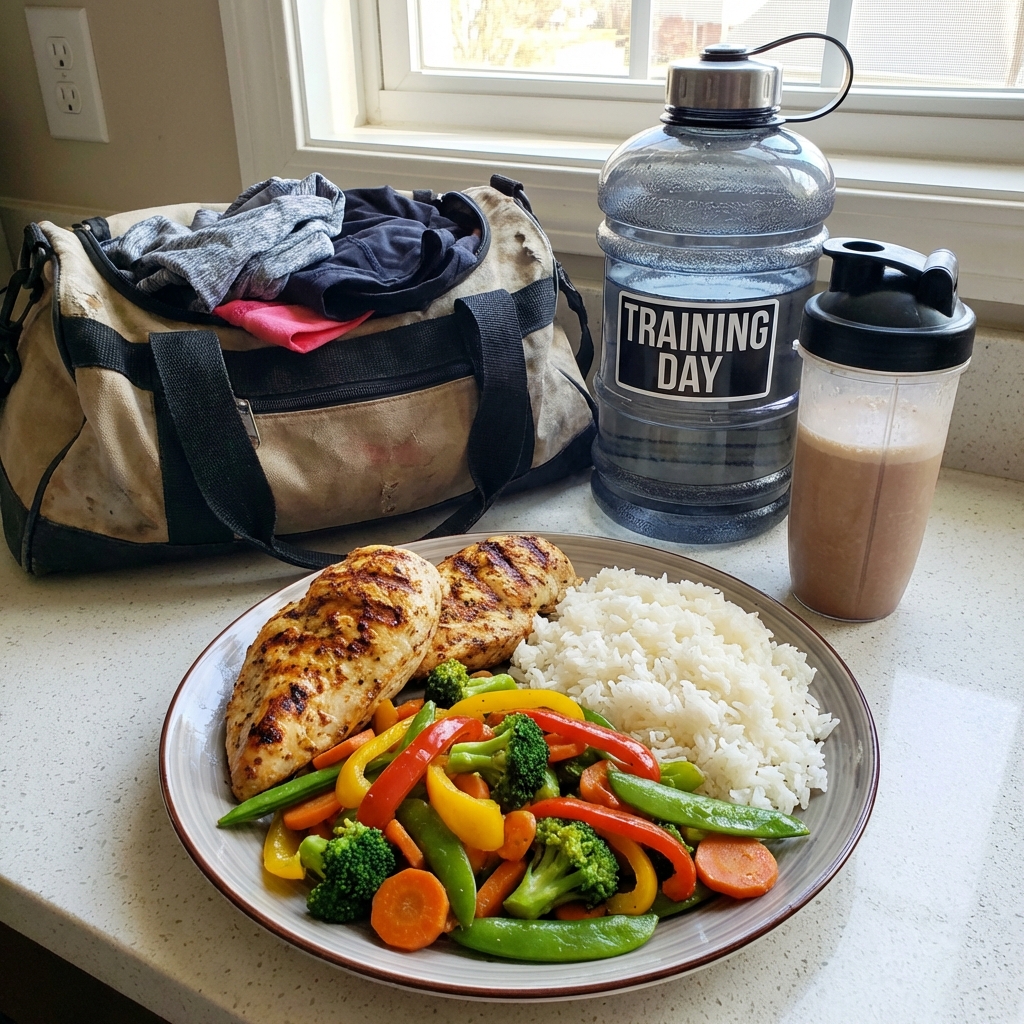
The Habit: Ensure your first meal contains at least 20g of protein (eggs, Greek yogurt, protein shake). The Benefit: Protein stabilizes blood sugar and satiety hormones, keeping you full and focused until lunch.
4. Practice Mindful Eating (No Screens)
We live in a distracted world. If you eat while scrolling TikTok or watching TV, your brain misses the “I’m full” signal from your stomach.
The Habit: Establish a “Screen-Free Zone” for meals. Sit at a table, not the couch. The Benefit: You will enjoy your food more and naturally stop eating when you are satisfied, not “stuffed.”
5. The 80/20 Rule
Perfection is the enemy of progress. If you try to eat 100% “clean,” you will eventually binge.
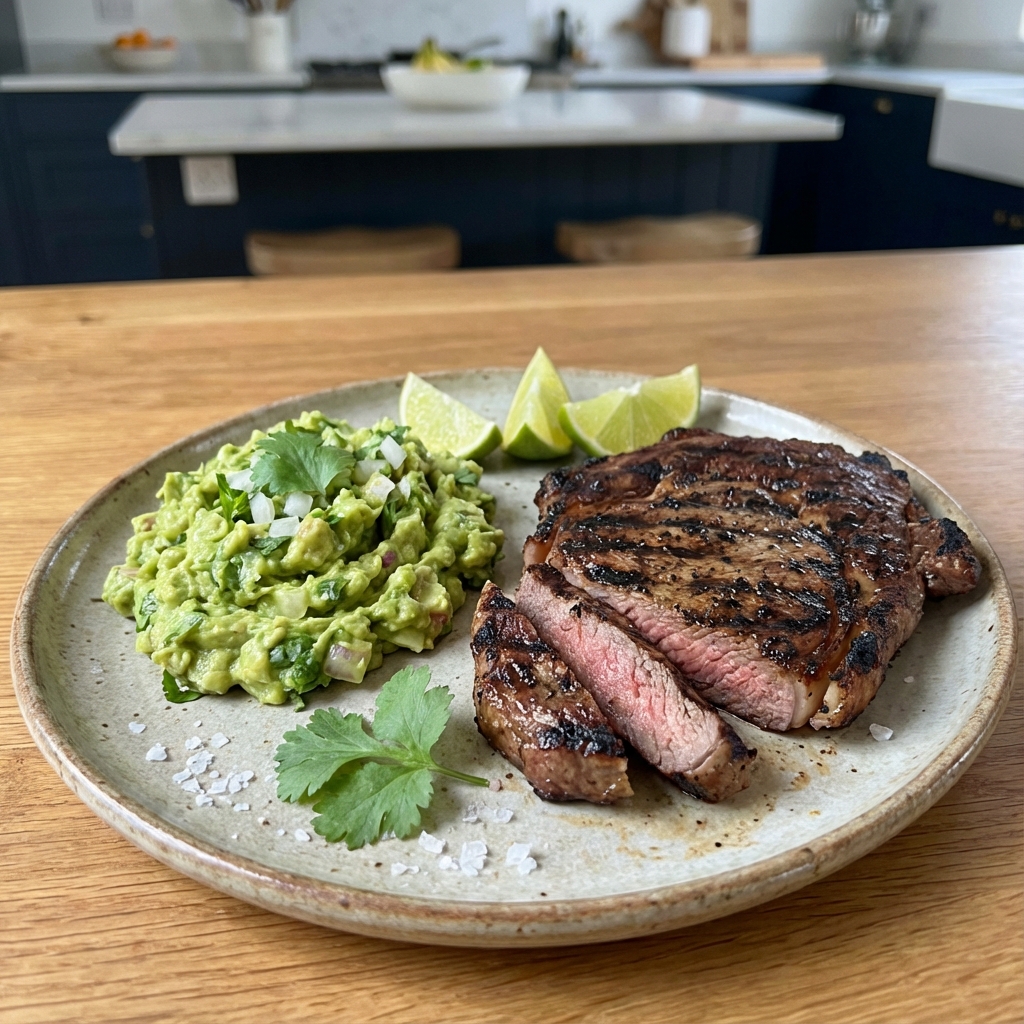
The Habit: Eat nutritious, whole foods 80% of the time. Enjoy your favorite treats (pizza, ice cream) 20% of the time, guilt-free. The Benefit: This flexibility makes your healthy lifestyle habits food sustainable for decades, not just weeks.
6. Cook More, Order Less
Restaurant food is engineered to be hyper-palatable. Even a “healthy” restaurant salad can have double the calories of a homemade one due to oils and dressings.
The Habit: Commit to cooking one more meal at home per week than you currently do. The Benefit: You control the salt, sugar, and fat. Plus, it saves massive amounts of money.
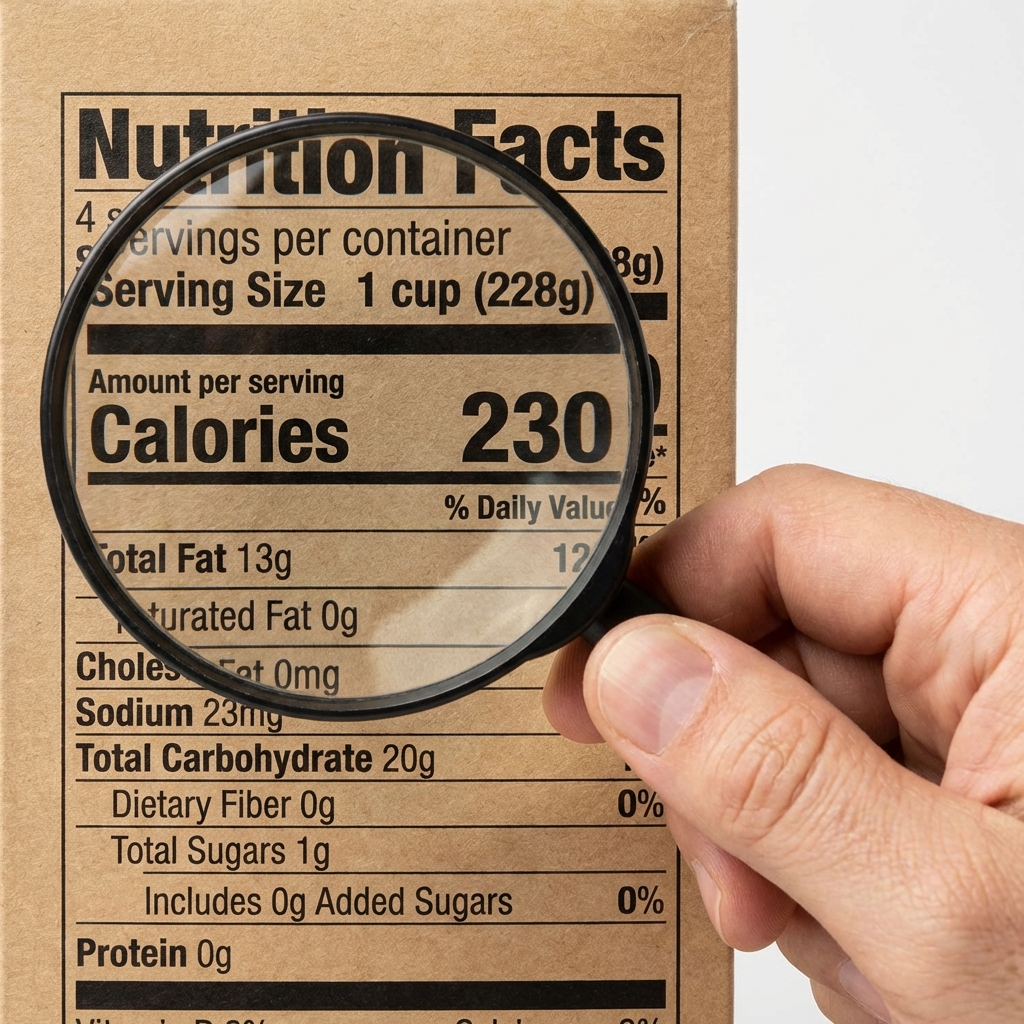
7. Read the Label (The “First Three” Rule)
Marketing on the front of the box is a lie. The truth is on the back.
The Habit: Before buying a packaged food, read the first three ingredients. The Benefit: Ingredients are listed by quantity. If “Sugar,” “Corn Syrup,” or “Refined Flour” is in the top three, put it back.
8. Snack Smart, Not Hard
Snacking isn’t bad, but mindless snacking is. A bag of chips provides empty calories that leave you hungry an hour later.
The Habit: Pair every snack with a protein or fat. Apple + Peanut Butter. Berries + Yogurt. The Benefit: The protein/fat slows down digestion, providing sustained energy instead of a sugar spike.
9. Plan Your “Emergency” Meal
We all have days where everything goes wrong. These are the days we drive through the fast-food window.
The Habit: Keep one 5-minute healthy meal in your house at all times (e.g., a can of healthy soup, frozen edamame, or a pre-made salad kit). The Benefit: You have a safety net that protects your goals when willpower is low.
10. Prioritize Sleep
This isn’t a food habit, but it affects your diet more than anything else. When you are sleep-deprived, your body produces more ghrelin (the hunger hormone) and less leptin (the fullness hormone).
The Habit: Go to bed 30 minutes earlier. The Benefit: You will wake up with fewer cravings for sugar and simple carbs.
Summary: Small Changes, Compound Interest
Improve diet habits doesn’t happen overnight. It is a process of layering one small positive change on top of another.
Start with just one of these habits. Maybe it’s the water before meals. Do that for two weeks until it’s automatic. Then add the protein at breakfast. By the end of the year, you won’t recognize your old self.
These easy diet habits to follow are the foundation of a healthy life. If you want to take the next step and tailor your intake to your specific body type, check out our Macro Calculator to dial in your numbers.
? Frequently Asked Questions
What is the single best healthy eating habit?
How long does it take to form a new eating habit?
Is drinking water really that important for diet?
How can I stop eating junk food?
What acts as a 'trigger' for unhealthy eating?
Do I have to cook every meal to be healthy?

About Azeem Iqbal
We are dedicated to providing accurate, easy-to-understand nutritional information for Moe's Southwest Grill fans. Our goal is to help you make informed dining choices without sacrificing flavor.